

Views: 0 Author: Site Editor Publish Time: 2026-10-19 Origin: Site
Heavy Fuel Oil (HFO) powers massive industrial thermal processes worldwide. However, this dense fluid presents a significant baseline challenge. It remains highly viscous at room temperature. You simply cannot atomize and burn it efficiently without strict thermal conditioning. The cost of inaction is steep. If you attempt to fire improperly heated HFO, you face immediate process degradation. The burner nozzle produces large, inconsistent fuel droplets. This leads directly to incomplete combustion. You will soon notice heavy soot accumulation, increased exhaust emissions, and premature equipment failure.
This article provides a technical evaluation of preheating. We explain how thermal conditioning decisively solves the atomization bottleneck. We uncover the fundamental engineering mechanisms driving fuel droplet physics. You will discover practical ways to evaluate a Heavy Oil Burner upgrade based on its preheating capabilities. Plant engineers and operators will learn exactly how to transform viscous waste oils into efficient, clean-burning energy sources.
Viscosity is the Gatekeeper: Preheating safely reduces HFO viscosity to the critical threshold required for mechanical or fluid atomization (typically 15–25 cSt).
Surface Area dictates Efficiency: Proper preheating yields micro-fine fuel droplets, maximizing the surface-area-to-volume ratio for complete, rapid combustion.
ROI extends beyond Fuel Savings: Optimized atomization directly reduces particulate matter (PM) emissions, minimizes boiler tube fouling, and lowers maintenance downtime.
System Selection Matters: Evaluating a burner requires scrutinizing its integrated preheating limits, safety interlocks, and compatibility with your site’s atomizing mediums (steam vs. air).
Heavy oils are residual fuels. Refineries produce them after extracting lighter, highly valued fractions like gasoline and diesel. These residual fuels contain complex, long-chain hydrocarbons. They exhibit exceptionally high kinematic viscosity. They also demonstrate poor volatility. You cannot handle them easily at ambient temperatures. They flow like thick syrup or even semi-solid sludge. This unique chemical composition demands specialized fuel handling infrastructure.
This dense nature creates a strict atomization threshold. Burner nozzles simply cannot shear cold HFO into a combustible mist. The mechanical energy of the nozzle proves completely insufficient against the dense fluid. If the fuel viscosity exceeds the equipment's design limits, mechanical atomization fails entirely. The fuel exits the nozzle as a solid liquid stream. Sometimes it emerges as massively oversized, erratic droplets. It behaves poorly inside the combustion chamber.
Poor conditioning triggers immediate operational failures. First, you face severe unburned carbon loss. Oversized droplets pass completely through the flame zone before burning entirely. You waste significant operational fuel spend on unreleased heat. Second, cold oil causes rapid carbonization. It rapidly clogs the delicate internal passages of the burner nozzle. We frequently see maintenance teams struggling to clear severely baked-on carbon deposits. Finally, you risk severe flame instability. Poorly atomized fuel ignites erratically. This erratic ignition creates dangerous furnace pulsation. It can damage refractory linings and severely compromise plant safety.
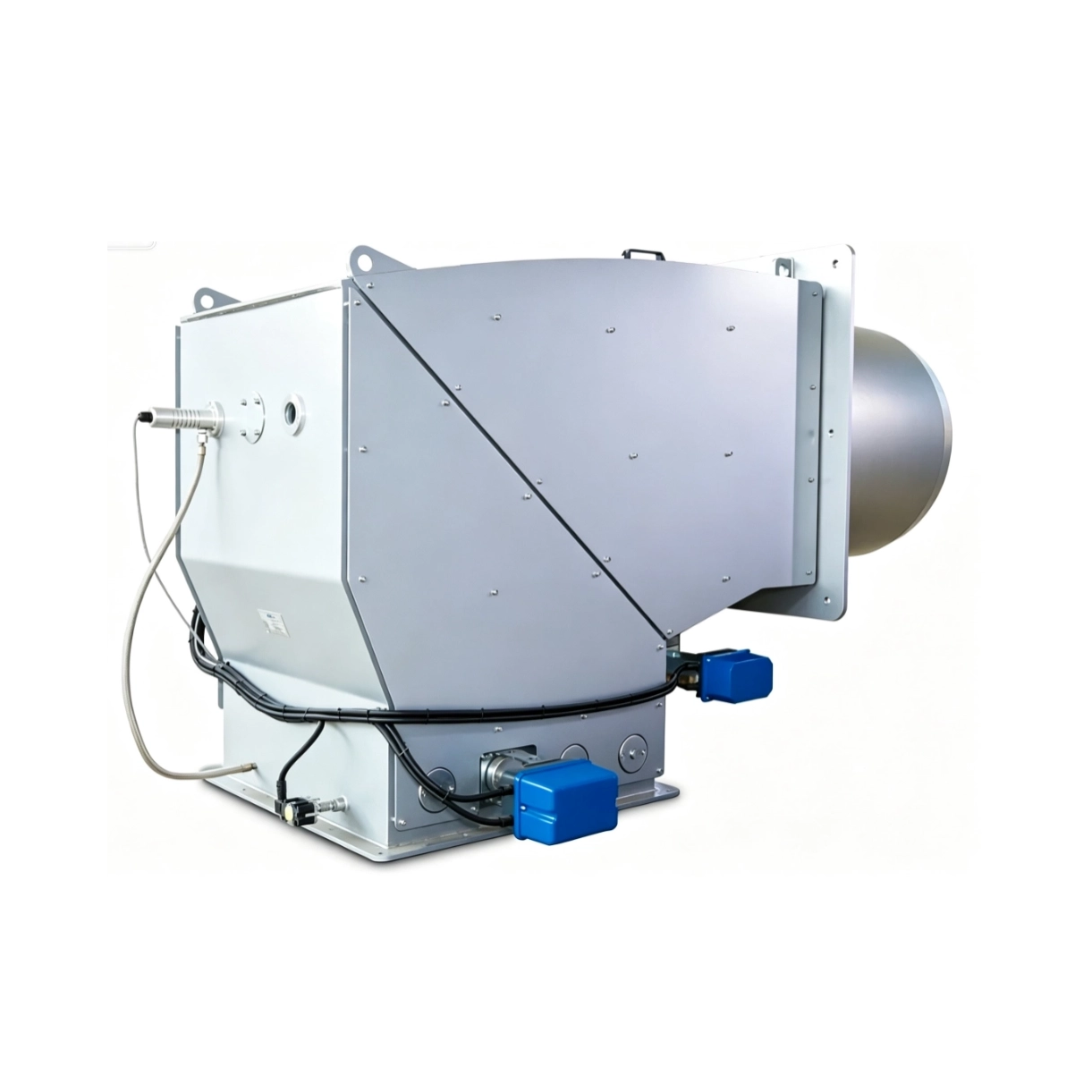
Preheating solves the atomization barrier through a fundamental physical principle. We observe a strict inverse relationship between temperature and viscosity. As you apply thermal energy, molecular friction inside the oil decreases rapidly. The long hydrocarbon chains relax and spread apart. The fluid begins to flow freely. It yields easily to mechanical shear forces. You must heat HFO to reach a specific target viscosity. Industry standards typically define this target between 15 and 25 centistokes (cSt). You cannot guess this temperature. It varies wildly between different fuel batches.
Once the oil reaches this optimal viscosity, droplet formation physics take over. The burner nozzle acts as a precise shearing instrument. It utilizes high fluid pressure, compressed air, or dry steam. These kinetic forces shatter the heated oil film violently. Uniform preheating becomes absolutely critical during this exact phase. When the oil temperature remains perfectly stable across the entire fluid volume, the nozzle produces a consistent droplet size distribution. Engineers measure this consistency using the Sauter Mean Diameter (SMD). A significantly lower SMD indicates a finer, more uniform mist. We always aim for the lowest possible SMD without expending excessive atomizing energy.
These microscopic droplets transform combustion dynamics fundamentally. Finer droplets feature a massive surface-area-to-volume ratio. They vaporize almost instantly upon entering the highly heated combustion zone. They mix thoroughly and rapidly with incoming combustion air. This rapid mixing ensures a highly efficient flame front. You achieve stable, predictable heat release. Finer droplets leave no unburned carbon residue behind. The flame burns brightly, cleanly, and completely.
You must evaluate core preheating technologies carefully. Facilities typically choose between two main heating methods. Selecting the wrong method drastically limits plant efficiency.
Electric Preheaters: These units provide highly precise temperature control. They respond rapidly to control loop signals. They are ideal for complex start-up sequences. You can use them effectively for consistent load applications where plant steam remains unavailable.
Steam and Thermal Fluid Heaters: These systems offer immense operational efficiency. They leverage existing plant energy directly. They work best for heavy, continuous operations. You should choose this option if your plant already generates abundant dry steam.
Next, consider atomizing medium synergies. The preheating process interacts directly with your chosen atomizing medium. You might use dry, saturated steam or compressed air. Steam adds additional sensible heat directly at the nozzle tip. This prevents rapid fuel cooling and achieves optimal shearing. Compressed air requires less complex infrastructure. However, it lacks this supplementary thermal energy. Sometimes cold air chills the oil upon contact, ruining the viscosity profile.
Application focus dictates system design entirely. Specific industrial processes demand incredibly strict temperature tolerances. For example, specifying a Heavy Oil Thermal Heater Burner requires specialized attention. Thermal oil systems cannot tolerate any direct flame impingement on the coils. Consistent heat transfer relies on perfect atomization. You must maintain exacting fuel temperatures to guarantee flawless, contained burner performance. Small deviations cause localized overheating.
Finally, modern systems demand intelligent control loop integration. Automated temperature-viscosity control systems are mandatory for reliable operation. Plants often utilize advanced inline viscometers. These instruments monitor fuel thickness in real time as it flows. They adjust the heating elements dynamically. Fuel batches vary wildly in viscosity from delivery to delivery. An adaptive control loop ensures the burner always receives perfectly conditioned oil.
Optimized atomization delivers massive thermal efficiency gains across your facility. When microscopic droplets burn completely, you require significantly less excess combustion air. Reducing excess air directly improves your overall boiler efficiency. You eliminate unburned fuel losses completely. These technical improvements translate straight into direct fuel cost savings. Every drop of heavy oil yields its maximum theoretical heating value. You extract more energy from every single fuel shipment.
Maintenance cycles and equipment lifecycle improve drastically with proper atomization. Complete combustion actively decreases soot fouling on delicate boiler tubes. When droplets burn entirely, they do not leave sticky carbon deposits. They also prevent aggressive corrosive ash buildup. Heavy oils contain high levels of heavy metals like vanadium and sodium. If unburned oil adheres to tube walls, these heavy metals trigger severe high-temperature corrosion. Clean heat transfer surfaces maintain peak system efficiency over time. Furthermore, properly heated, low-viscosity oil reduces mechanical wear. Your internal burner pumps and nozzles experience far less abrasion. We see significantly fewer unplanned shutdowns. Plant owners experience much longer component lifespans.
Optimal atomization also drives environmental emissions compliance. Fine droplets curtail Particulate Matter (PM) formation immediately. They drastically lower Carbon Monoxide (CO) levels in your exhaust stack. Navigating the modern regulatory reality is incredibly tough. Better atomization helps you manage this operational burden. It makes backend emission scrubbers much more efficient. By reducing the initial pollutant load, your scrubbing equipment uses fewer expensive chemical reagents.
We must offer a balanced claim regarding financial returns. The actual Return on Investment (ROI) depends strictly on your baseline inefficiency. If your current system wastes immense fuel through poor atomization, returns happen quickly. However, upgrading from a legacy fixed-heat system to an adaptive preheating Heavy Fuel Oil Burner remains a smart choice regardless. It typically yields measurable payback within standard operational cycles.
Preheating presents specific implementation risks. You face a severe risk of overheating the fuel. Applying too much heat causes HFO to thermally crack. The oil cokes inside the preheater vessel. This leads to severe, rock-hard internal blockages. Your evaluation must include strict heater watt-density limits. You also need flow-rate safeguards to prevent stagnant oil from boiling uncontrollably during low-load operation.
Comparison of Preheating Technologies
Preheating Technology | Primary Advantage | Key Limitation | Best Application Scenario |
|---|---|---|---|
Electric Preheaters | Highly precise, rapid temperature control | High operational electrical costs | Start-up sequences and low-capacity burners |
Steam Preheaters | Leverages existing plant energy efficiently | Requires complex steam piping infrastructure | Large, continuous industrial boiler operations |
Thermal Fluid Preheaters | Achieves very high temperatures without high pressure | Requires a separate thermal fluid circulation system | High-temperature industrial processing plants |
Commercial procurement requires essential safety interlocks. These features protect your facility personnel and ensure regulatory compliance. Modern burners must include reliable low-temperature shutoffs. If the oil runs dangerously cold, the burner must instantly abort the firing sequence. High-pressure alarms are equally critical. They detect early signs of nozzle clogging before a catastrophic pump failure occurs.
You need a rigorous vendor evaluation process. We recommend using a structured approach when selecting heavy oil equipment. Follow this core vendor evaluation checklist to protect your investment:
Does the burner design account for your specific grade of HFO (such as Bunker C or No. 6 oil)?
What is the promised turndown ratio of the system on heavy fuel?
Can the integrated preheater maintain the strict target viscosity even at low fire conditions?
Are the heating elements, strainers, and filters accessible for routine maintenance without pulling the entire burner apart?
Preheating heavy fuel oil is never an optional accessory. It serves as the fundamental physical prerequisite for reliable mechanical atomization. If you attempt to process HFO without strict viscosity control, operational failure is inevitable. A poorly heated system guarantees poor ROI. It wastes expensive fuel, damages delicate equipment, and violates strict emission limits. Precise thermal conditioning unlocks the true energy potential hidden within residual fuels.
Plant managers and procurement engineers must take immediate proactive steps. First, conduct a comprehensive laboratory fuel analysis. You need an accurate, updated viscosity-temperature curve for your specific oil supply. Next, comprehensively audit your current burner’s atomization performance. Inspect the combustion chamber for unburned carbon deposits. Evaluate these baseline metrics carefully before shortlisting new equipment. This data-driven approach ensures you procure a system perfectly matched to your industrial thermal demands.
A: There is no single ideal temperature. You must target a specific kinematic viscosity rather than a fixed temperature. The ideal viscosity for atomization falls between 15 and 25 cSt. Different HFO blends require entirely different temperatures to hit this sweet spot. For lighter blends, 90°C might suffice. For dense Bunker C, you might need to exceed 140°C. Always reference the fuel's specific viscosity curve.
A: No, it cannot safely fire HFO on a true cold start. Burners rely on specific startup sequences. Facilities typically ignite the burner using a light oil, like diesel. They run light oil until the main preheaters reach operating temperature. Alternatively, plants utilize electric trace heating to warm the pipelines and primary heaters before introducing any heavy oil.
A: Plant steam generally performs better for continuous heavy industrial applications. Steam offers high thermal mass. It transfers additional sensible heat to the oil directly at the nozzle tip. It is highly cost-efficient if the plant already produces it. Compressed air offers easier accessibility for smaller sites. However, using compressed air sometimes requires preheating the air itself to prevent chilling the oil upon contact.
A: Preheating radically lowers oil viscosity. It keeps the fluid moving swiftly through the narrow nozzle channels. Maintained fluid velocity prevents the formation of cold, sluggish oil pockets. It drastically reduces carbon build-up. Proper heat ensures the fuel shears into a fine mist rather than dripping. This eliminates residual drops that would bake onto the hot nozzle face.
