

Views: 0 Author: Site Editor Publish Time: 2026-08-28 Origin: Site
Incomplete combustion silently drains facility budgets through massive fuel waste and rapid equipment degradation. Unburned hydrocarbons and soot deposits essentially choke thermal systems from the inside out. They also expose industrial operations to severe, costly regulatory compliance risks. While light oil systems reliably deliver necessary heat under heavy loads, maintaining optimal efficiency requires moving beyond reactive repairs. Facility teams must aggressively transition to systemic, data-driven calibration instead. By addressing problems before they trigger alarms, you protect crucial operational continuity.
We will outline how managers and engineers can accurately evaluate their current combustion performance. You will learn to implement rigorous, preventative maintenance protocols effectively. Finally, we will help you determine exactly when a complete hardware upgrade becomes the most strategic, cost-effective path forward.
Clean combustion hinges on precise air-to-fuel ratios, optimal atomization, and uncompromised fuel quality.
Professional combustion analysis using calibrated digital tools is non-negotiable for baseline efficiency and emissions compliance.
Routine preventative maintenance drastically reduces the total cost of ownership compared to reactive soot-cleaning and part replacement.
Evaluating a modern replacement unit requires looking at digital burner management systems and modulating control capabilities.
Operating a high-performance Light Oil Burner efficiently demands constant attention to combustion dynamics. Every minor inefficiency directly impacts the bottom line.
Even a minor two percent drop in combustion efficiency causes substantial financial losses. Facilities burn thousands of extra gallons annually just to meet baseline heating loads. You lose money every time the system runs too rich or too lean. Poorly tuned systems send valuable heat straight up the exhaust stack. Fuel economics dictate rigorous optimization. Reclaiming just a few percentage points of efficiency yields massive annual savings.
Soot buildup directly destroys equipment lifespans. Soot acts as an incredibly powerful thermal insulator. Every single millimeter of soot covering a heat exchanger surface drastically reduces heat transfer efficiency. The system must fire longer and hotter to achieve target process temperatures. This prolonged firing severely stresses internal thermal components. Over time, extreme thermal stress cracks combustion chambers. Unplanned downtime skyrockets as critical parts fail prematurely. Reactive cleaning rarely reverses this deep mechanical wear.
Regulators scrutinize industrial emissions heavily today. Particulate matter, nitrogen oxides (NOx), and carbon monoxide (CO) attract severe financial penalties. You cannot treat clean combustion as merely a nice performance metric. It represents a strict baseline compliance requirement. Clean burning prevents hazardous local pollution. It also shields your facility from unexpected regulatory fines. Modernizing your approach to emissions guarantees uninterrupted operational licenses.
Complete oxidation of fuel relies on several precise mechanical interactions. You must balance these mechanical elements perfectly.
Atomization precision heavily dictates combustion quality. Liquid oil cannot burn efficiently in its raw state. The burner nozzle forces liquid fuel through tiny orifices under high pressure. This process creates a highly uniform fuel mist. Millions of microscopic droplets ignite much faster than large fuel streams. However, nozzle wear directly sabotages this delicate misting process. Partial clogs or incorrect spray patterns cause wildly uneven burning. You will notice immediate smoking and terribly poor ignition sequences when atomization fails.
Mechanical drafts must perfectly match the precise fuel flow rate. This delicate balance ensures complete fuel oxidation. Supplying excess air wastes valuable heat directly up the exhaust stack. The system unnecessarily heats incoming cold air instead of your process fluids. Conversely, running a fuel-rich mixture creates hazardous carbon monoxide. It also deposits thick soot layers almost instantly. Finding the exact stoichiometric sweet spot requires constant calibration.
Air-to-Fuel Mixture Consequences Chart
Mixture Condition | Mechanical Indicator | Operational Consequence |
|---|---|---|
Fuel-Rich (Not enough air) | Dark, smoky flame; high CO levels | Rapid soot accumulation; extreme fuel waste |
Lean / Excess Air (Too much air) | Short, noisy flame; high O2 in stack | Heat lost up the stack; reduced thermal efficiency |
Optimal / Stoichiometric | Bright, tight flame; trace smoke | Maximum heat transfer; compliant emissions |
Ignition sequences require exact electrode placement. Spark timing must perfectly align with initial fuel delivery. Furthermore, you must continuously evaluate combustion chamber refractory conditions. Intact refractory materials properly reflect heat back into the flame zone. This reflected heat sustains the necessary high temperatures for complete combustion. Cracked or degraded refractory chambers steal heat rapidly. They destabilize the flame and cause delayed ignition rumbles.
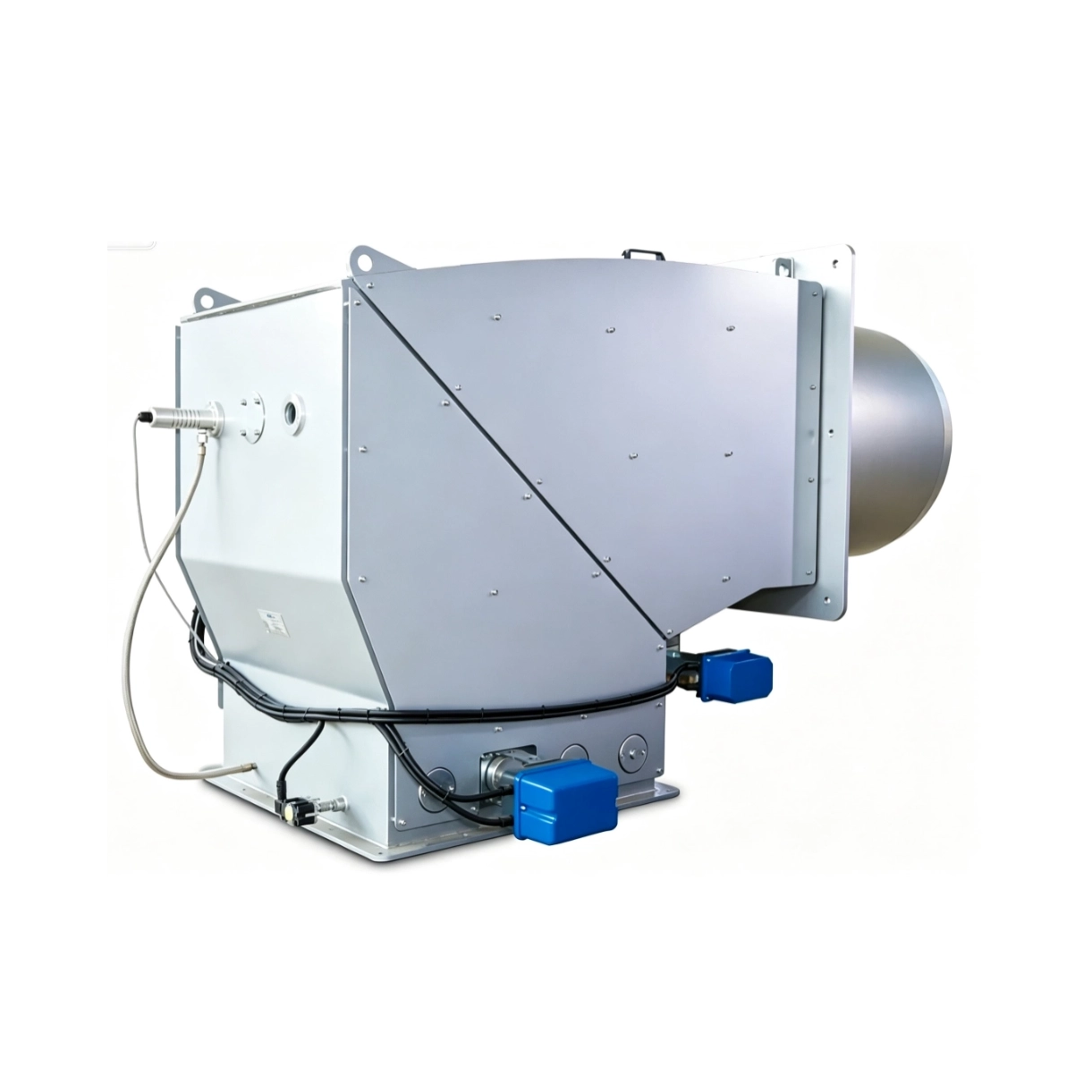
Optimizing a Diesel Oil Burner requires pristine fuel quality. Hardware tuning means nothing if the incoming fuel is heavily degraded.
Fuel degrades naturally over time. Water inevitably enters large storage tanks through normal atmospheric venting. Temperature drops cause this humid air to condense directly on interior tank walls. This trapped moisture breeds aggressive microbial growth quickly. Bacteria and fungi multiply rapidly, forming thick biological sludge. This sludge easily clogs primary lines and severely damages high-pressure fuel pumps. You must actively manage moisture to prevent catastrophic pump failures.
Basic single filters rarely provide enough protection for modern hardware. Multi-stage filtration systems effectively capture microscopic debris before it reaches the firing zone. You need heavy-duty primary filters installed directly at the bulk storage tank. Secondary, ultra-fine filters mounted directly on the burner protect precision nozzles. Upgrading these filtration stages drastically reduces unexpected nozzle clogs. They form a critical defense line for delicate precision burner components.
Fuel conditioners offer valuable protection when used correctly. Anti-gel additives prevent cold-weather thickening. Biocides actively kill microbial blooms before they multiply. However, you must carefully evaluate their application. Chemical additives never substitute proper mechanical tank cleaning. You still need adequate fuel turnover rates to maintain stability. Additives successfully treat symptoms, but mechanical cleaning permanently removes the actual sludge deposits.
You must divide maintenance responsibilities clearly. Daily visual checks differ vastly from deep digital calibration.
Your maintenance team handles crucial frontline defense. Visual flame inspections provide immediate operational feedback. You want a bright, tight flame showing absolutely no smoky tails. Maintenance personnel must perform routine oil filter replacements exactly on schedule. They should also conduct proactive fuel line bleeding regularly. This action safely removes trapped air pockets. Additionally, operators must consistently monitor stack temperatures. Sudden temperature spikes strongly indicate massive internal soot buildup.
Inspect flame geometry daily for proper shape and color.
Replace primary and secondary fuel filters according to runtime hours.
Bleed fuel lines after any tank delivery to clear air.
Log stack temperatures daily to track gradual efficiency losses.
Complex diagnostics require a highly trained HVAC technician. Annual or bi-annual digital combustion analysis remains absolutely essential. Technicians utilize highly calibrated digital combustion analyzers. They measure the Bacharach smoke scale, strictly aiming for a zero reading. They record specific oxygen and carbon dioxide percentages accurately. They also take precise draft measurements across the exhaust breeching.
Do not rely on outdated diagnostic methods. Tuning a complex system purely by ear or eye poses massive commercial risks. Specialized equipment accurately verifies both thermal efficiency and operational safety. DIY tuning frequently causes hidden fuel waste and dangerous carbon monoxide leaks.
Comparison of In-House Checks Versus Professional Calibration
Task Category | In-House Facility Checks | Professional Servicing |
|---|---|---|
Flame Inspection | Visual check for color, shape, and stability | Digital sensor analysis of flame frequency |
Emissions Testing | Observing stack for visible smoke | Digital measurement of O2, CO2, CO, and NOx |
Draft Optimization | Listening for rumbling or draft noise | Using manometers to set exact draft pressure |
Component Servicing | Changing basic filters and wiping exteriors | Replacing nozzles, adjusting electrodes, tuning pumps |
Deciding when to replace a Light Oil Thermal Heater Burner involves strict financial and technical analysis. Do not throw money at failing hardware indefinitely.
Every mechanical system eventually reaches a critical inflection point. Chronic maintenance costs quickly outpace the price of new equipment. Obsolete parts cause prolonged, expensive downtime. Factor in the long lead times for legacy proprietary parts. If your facility waits six weeks for a specific relay, production losses dwarf the cost of a new unit. Poor fuel efficiency continuously inflates monthly operational budgets. You must recognize exactly when procurement makes better financial sense than endless repairs.
When you finally decide to upgrade, evaluate manufacturers based on modern technological standards.
Modulating Controls: Transition away from outdated single-stage systems immediately. On/off cycling wastes massive amounts of energy during startup. Fully modulating systems continuously adjust their firing output. They match precise, real-time load demands flawlessly.
Digital Burner Management Systems (BMS): Modern systems utilize integrated digital cams instead of mechanical linkages. They feature electronic fuel-to-air ratio controls. These sophisticated digital tools guarantee repeatable, hyper-accurate combustion profiles daily.
Adaptability: Sustainability mandates evolve rapidly across all industrial sectors. Consider adaptable hardware supporting future biofuel blends. Dual-fuel capabilities provide exceptional operational flexibility during unpredictable market fuel shortages.
Clean combustion is a continuous, dynamic process. It demands strict mechanical precision, proactive fuel management, and verifiable digital diagnostics. Neglecting any single factor invites massive fuel waste and rapid equipment failure. Decision-makers should immediately audit their current maintenance logs. Review recent combustion reports to establish a solid performance baseline.
Take action before minor inefficiencies turn into catastrophic failures. We highly recommend scheduling a comprehensive professional combustion audit this quarter. Alternatively, request detailed performance specification sheets from modern manufacturers. You can then run a precise ROI comparison between repairing your old unit and upgrading. Upgrading to a digital, modulating system often pays for itself rapidly through fuel savings alone.
A: A properly tuned system should run incredibly clean. You should expect a zero or trace reading on a standardized Bacharach smoke tester. Carbon monoxide levels must remain steady and well below established safety thresholds. Stack temperatures should remain completely stable, matching the manufacturer’s design specifications for maximum heat transfer.
A: Black smoke indicates severe unburned fuel. This happens due to delayed ignition, poor initial fuel atomization, or incorrect air damper settings. A clogged nozzle or weak spark often triggers this rich condition. You need immediate professional adjustment to prevent dangerous soot accumulation inside the heat exchanger.
A: Industry standards require replacing the nozzle annually during routine preventative maintenance. Heavy industrial applications running continuous loads may require replacements based on specific runtime hours. A worn nozzle degrades fuel misting quickly, so proactive replacement remains the cheapest insurance against poor efficiency.
A: You can perform superficial exterior dusting and change standard fuel filters safely. However, never handle high-risk internal components. Adjusting electrodes, dismantling high-pressure fuel pumps, or altering air-to-fuel linkages requires professional tools. DIY internal cleaning often voids factory warranties and creates severe combustion safety hazards.
