

Views: 0 Author: Site Editor Publish Time: 2026-10-07 Origin: Site
Operating an industrial burner without granular data visibility is a massive liability. It leads to unoptimized fuel consumption, regulatory compliance risks, and unexpected downtime from nuisance trips. You cannot afford to run complex heating operations blind. Modern plant managers no longer evaluate burners solely on BTU output. Instead, they evaluate the Burner Management System (BMS). They look closely at its ability to capture, analyze, and act on real-time data. You need immediate, high-fidelity insights to run efficiently and safely.
Our purpose here is clear and actionable. We provide a transparent, evidence-based framework for evaluating what data your control system must track. This specific data justifies equipment upgrades and secures your operational baseline. It helps you maintain strict compliance with agencies like NFPA and FM Approvals. Ultimately, mastering this data ensures complete operational safety while maximizing your daily profitability.
Safety First: Immediate flame failure and pressure data are non-negotiable for preventing catastrophic events and meeting FM/regulatory approvals.
Efficiency Drives ROI: Continuous tracking of O2/CO ratios and stack temperatures directly correlates to fuel savings, especially in high-volume applications.
Predictive Over Reactive: Advanced tracking shifts maintenance from reactive troubleshooting (fixing common burner trips) to predictive health monitoring.
Customization Matters: A one-size-fits-all data approach fails; tracking requirements must align with specific process heating elements and environmental mandates.
Many facilities still rely on legacy, manual, or poorly instrumented heating systems. These outdated setups create severe financial and operational risks every single day. They waste expensive fuel continuously. They produce undocumented emissions, inviting heavy fines. They also cause sudden, unplanned shutdowns. Operators walking around with clipboards cannot capture transient pressure spikes. Human error inevitably creeps into manual data logs. Without continuous digital tracking, operators essentially run blind. You cannot optimize a process you do not measure accurately.
A successful data-tracking implementation changes this dynamic completely. It transforms raw numbers into a distinct competitive advantage. It prioritizes actionable insights over sheer data overload. You do not need a million useless data points; you need the right ones. It offers seamless integration with your existing BMS infrastructure. Most importantly, it delivers provable financial returns through drastically reduced operating costs. You see the savings on your monthly energy bills.
When you evaluate vendor claims, exercise extreme caution. Many companies slap a generic "smart" label on basic, limited controllers. You must demand hard specifics before purchasing. Insist vendors define exact data polling rates. Ask them about dedicated data storage capacities for historical logging. Check their integration protocols thoroughly. Your system must support modern industry standards like Modbus or Ethernet/IP. This ensures you can pull actionable insights directly into central control rooms without technical bottlenecks.
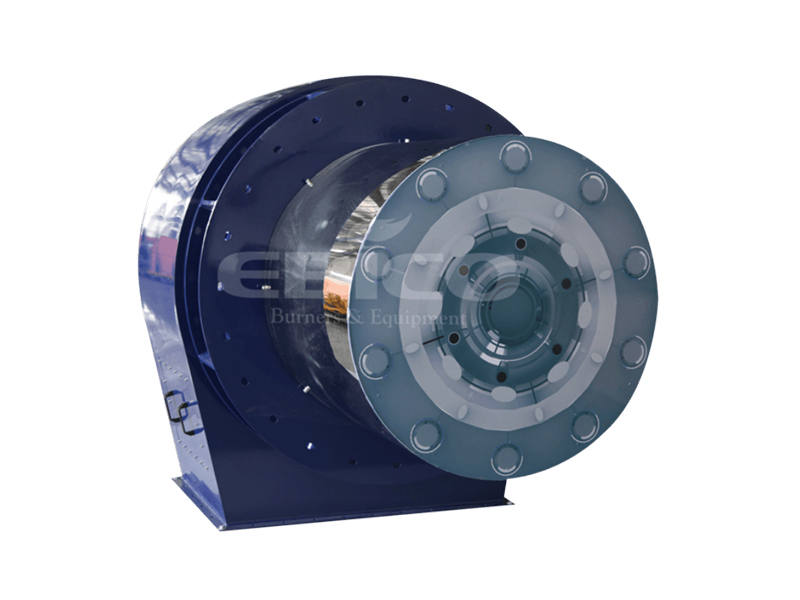
Safety metrics form the absolute foundation of any burner management strategy. Immediate flame failure and dynamic pressure data remain non-negotiable. They prevent catastrophic explosive events. They also help you meet mandatory regulatory approvals across different jurisdictions.
First, you must monitor flame status and signal strength continuously. Modern systems do not just provide basic binary on/off readings. They monitor continuous, minute signal degradation. This granular tracking allows you to predict a scanner failure long before a hard safety trip occurs. You can schedule maintenance proactively during a planned outage. This avoids reacting in panic to a sudden, costly shutdown.
Next, you must track fuel and air pressure monitoring data relentlessly. Establish strict high and low gas pressure limits within the control logic. Implement reliable combustion air proving mechanisms. These specific steps are essential for preventing explosive, fuel-rich environments. For example, sudden pressure drops often indicate a failing blower motor or a severely clogged intake filter. Early data detection alerts operators and keeps your personnel safe.
Finally, ensure strong, documented regulatory alignment. Tracking these specific data points satisfies stringent industry safety standards. Familiarize yourself with critical frameworks like FM Approvals or NFPA 86. Capturing this data automatically simplifies your annual audit reporting. Auditors always want concrete proof of safe operation. Digital, time-stamped data logs provide this proof instantly.
Consider establishing these three core baseline actions for safety compliance:
Calibrate flame scanners monthly to ensure highly accurate signal strength readings.
Set automated software alarms for any pressure deviation exceeding 5% of the baseline.
Export daily safety logs to a secure, cloud-based server to maintain constant audit readiness.
Efficiency data directly impacts your overall bottom line. Tracking the exact fuel-to-air ratio represents the core of thermal efficiency optimization. Oxygen (O2) and Carbon Monoxide (CO) trim data dictate how well your system burns fuel. If you operate a High Capacity Industrial Burner, even a tiny 1-2% efficiency gain translates to massive annual fuel savings. O2 sensors detect wasteful excess air. CO sensors detect dangerous incomplete combustion. Balancing these metrics ensures maximum heat output for minimal fuel input. When a sensor detects too much oxygen, the controller signals the air damper actuator. It closes slightly in real-time, trapping more usable heat inside the vessel.
You must also track stack and exhaust temperatures carefully. This data helps you monitor unacceptable heat loss. Rising stack temperatures over time clearly indicate fouling or scaling in the heat exchanger. The system must work much harder to push heat through dirty tubes. This rising temperature data serves as an excellent predictive maintenance trigger. You clean the tubes long before system efficiency plummets.
Turndown ratio performance requires careful, continuous monitoring too. Measure how well the equipment maintains high efficiency at lower operating loads. Poor turndown performance inevitably leads to short-cycling. The system turns on and off constantly to meet low facility demand. Short-cycling wastes incredible amounts of fuel. It also accelerates mechanical equipment wear rapidly. Tracking performance across the entire firing range prevents this premature degradation and extends equipment lifespan.
Table 1: Key Combustion Efficiency Metrics and Their Impact
Data Parameter | Optimal Condition | Impact on Efficiency |
|---|---|---|
O2 Levels | 2% - 4% depending on fuel type | Minimizes expensive heat loss up the exhaust stack. |
CO Levels | Consistently under 100 ppm | Ensures complete, safe fuel combustion. |
Stack Temperature | Stable; baseline + 50°F maximum | Indicates clean, highly conductive heat exchange surfaces. |
Turndown Ratio | High flexibility (e.g., 10:1 or better) | Reduces short-cycling and severe mechanical wear. |
Environmental accountability is no longer an optional public relations exercise. Facilities operate under increasingly strict, rigorously enforced environmental permits. You must implement real-time monitoring for NOx and SOx emission levels. These dangerous pollutants face heavy regulation globally. High NOx readings usually indicate poor flame geometry or incorrect fuel-air mixing. Tracking these levels continuously allows you to adjust combustion parameters instantly. This agility helps you avoid catastrophic environmental fines.
Tracking CO2 output is equally critical for modern operations. Corporate sustainability reporting demands highly accurate carbon footprint data. Furthermore, emerging carbon taxation and cap-and-trade programs require precise, audited output logs. You cannot rely on broad estimates for these figures anymore. You need hard, unassailable data to prove compliance and minimize impending tax liabilities.
Data integrity plays a massive role in environmental tracking. Regulatory bodies deeply scrutinize how you collect, process, and store emissions data. You must guarantee secure, tamper-proof data logging from end to end. If regulators suspect altered data, they issue severe financial penalties. Employ encrypted logging systems to maintain unquestionable trustworthiness. This data transparency protects your business reputation and ensures your continued operational licensing.
Standard data tracking setups often fall woefully short for specialized industrial applications. Data requirements change significantly when evaluating a Custom Industrial Burner. These bespoke units often handle unique thermodynamic processes, volatile alternative fuels, or challenging high-moisture environments. For example, you might need to track atomizing steam pressure for heavy fuel oils continuously. Alternatively, you might monitor specific chamber acoustics to detect instability in hydrogen-blended fuels. Hydrogen flames burn almost invisibly, requiring specialized data sensors. Define these unique, process-specific variables early in your project design phase.
Integration with your plant-wide SCADA system is absolutely crucial. The local control panel should never act as an isolated data silo. You must evaluate the ease of exporting custom tracking metrics to central facility dashboards. Operators need complete, real-time visibility across the entire plant floor. Seamless SCADA integration enables unified, rapid response strategies during complex process upsets.
Consider long-term scalability as well when planning your data architecture. Process requirements evolve constantly over time. Can your current BMS accommodate additional sensors later? You might want to add vibration sensors to large blower motors next year. You might need advanced acoustic monitors to detect early mechanical wear inside the chamber. Choose a genuinely open architecture system. This flexibility prevents costly, full-scale control replacements when your tracking needs inevitably expand.
Upgrading your data capabilities involves distinct mechanical and software challenges. The retrofit reality often surprises ambitious facility managers. Adding advanced data tracking to existing mechanical linkage setups is notoriously difficult. Mechanical linkages wear out over time. They introduce significant hysteresis and slop. An actuator might move ten degrees, but the damper only moves eight. Data algorithms cannot correct this physical slop. This inaccuracy severely limits the value of high-fidelity tracking data. Instead, consider investing in a modern, fully linked or linkageless control system. These precise actuators respond perfectly to data-driven commands.
Use a structured, uncompromising checklist when evaluating potential vendor partnerships. Ask tough questions to ensure long-term operational success.
Do they offer open-protocol data sharing, or do they force expensive proprietary lock-in?
Can the system automatically log and categorize common trip events?
Does the software separate minor nuisance trips from critical hardware failures clearly?
Is local, responsive support available for calibrating tracking sensors and troubleshooting connectivity?
Your immediate next-step action should be highly strategic. We recommend initiating a comprehensive baseline combustion audit today. Document your current data blind spots carefully. Then, request a detailed proof-of-concept data integration plan from your shortlisted BMS providers. This deliberate step minimizes expensive implementation risks and clarifies your expected financial returns.
An Industrial Burner is truly only as reliable as the data it provides to your operators. Blind, unmonitored operations belong firmly in the past. Effective, continuous tracking bridges the critical gap between safety compliance and maximum operational profitability. You must prioritize high-resolution data capture across your entire heating facility.
Take immediate action to improve your tracking systems. Review your current daily data logs this week. Look for missing variables, recurring anomalies, or unexplained fault codes. Consult with a qualified combustion engineer to identify hidden blind spots in your process heating systems. Upgrading your data architecture secures your operational future and guarantees peak performance.
A: Flame scanner faults and sudden fuel pressure fluctuations cause most nuisance trips. Continuous signal tracking easily identifies these specific issues. By monitoring the exact millivolt signal from the scanner, operators can detect gradual hardware degradation before the system drops below the critical safety threshold and initiates a sudden shutdown.
A: Yes, control upgrades are entirely possible. You can run parallel control upgrades by adding discrete sensors and modern data loggers. However, a full control replacement often makes more sense for older mechanical linkage systems. Linkageless controls provide far better data accuracy and software integration than retrofitted, sloppy mechanical linkages.
A: Logging frequency depends heavily on your local environmental permits and specific insurance requirements. However, continuous real-time logging represents the modern industry standard. Systems should poll data every few seconds and archive summarized logs daily. This continuous approach satisfies strict agencies and simplifies annual compliance audits significantly.
A: Yes, especially for high-capacity continuous operations. Optimizing the fuel-to-air ratio saves massive amounts of fuel annually. This efficiency easily covers the initial sensor costs within a few months. While ROI timelines vary for smaller, intermittent loads, the added predictive maintenance benefits make these sensors a smart long-term investment.
