

Views: 0 Author: Site Editor Publish Time: 2026-07-03 Origin: Site
Tightening environmental regulations force many facility managers to urgently upgrade their equipment. Local air quality districts and EPA mandates leave little room for negotiation. Facilities must adapt quickly to stay compliant and avoid severe financial penalties. However, do not view this necessary equipment upgrade simply as a compliance tax. The transition presents a highly strategic opportunity. You can modernize outdated boiler controls, optimize fuel consumption, and dramatically improve long-term system reliability. Retrofitting advanced combustion technology requires careful engineering and precise execution. Pragmatic industrial buyers know a poorly planned upgrade can cause thermal efficiency penalties or dangerous mechanical failures. This comprehensive guide helps you navigate the complex transition smoothly. You will learn about precise compliance baselines, critical technology trade-offs, and mandatory system compatibility factors. By the end, you will know exactly how to evaluate your next burner retrofit without sacrificing operational performance or facility safety.
Compliance Baselines: "Ultra low" typically means achieving sub-9 ppm to 12 ppm NOx emissions, significantly stricter than standard low NOx (30 ppm) standards.
Technology Trade-offs: The two primary methods—Flue Gas Recirculation (FGR) and Premix/Surface Combustion—offer distinct advantages but come with different maintenance and footprint realities.
System Compatibility: A successful ultra low NOx burner installation relies heavily on matching flame geometry and turndown ratios to the existing boiler furnace.
Testing is Mandatory: Procuring the hardware is only half the battle; rigorous third-party source testing is required to validate compliance and secure permits.
Navigating the complex regulatory landscape requires understanding exact emission tiers and historical baselines. Standard industrial combustion units typically emit around 100 parts per million (ppm) of nitrogen oxides. First-generation low NOx units successfully dropped this threshold to 30 ppm. However, modern environmental pressures demand much more. An ultra low NOx burner pushes the boundaries of combustion physics further. These highly advanced units consistently achieve sub-9 ppm to 12 ppm emissions. Strict local benchmarks drive these stringent technological limits. For example, California’s South Coast Air Quality Management District (SCAQMD) enforces some of the toughest air quality rules globally. Many local EPA mandates across the country now mirror these strict California standards to combat urban smog and industrial pollution.
Understanding the fundamental chemistry of NOx reduction clarifies how the technology actually functions. Nitrogen and oxygen naturally bind at extreme temperatures during the combustion process. This reaction produces harmful thermal NOx. Lowering peak flame temperatures physically prevents this aggressive chemical reaction from occurring. Furthermore, reducing oxygen concentration in the immediate combustion zone starves the reaction process. Combustion engineers manipulate these two specific variables—temperature and oxygen availability—to eliminate harmful emissions at the source.
You must perform a strict buyer checkpoint before exploring new hardware options. Audit your current emission limits first. Review your facility's specific operating permit and speak directly with your local environmental inspector. Determine the exact ppm target required for ongoing compliance in your specific region. Buying a 12 ppm capable unit when your local inspector strictly demands 9 ppm wastes significant capital and delays project approval. Clarify your local regulatory baseline meticulously before contacting any equipment vendor.
Engineers use several sophisticated methods to suppress peak flame temperatures and manage oxygen levels. The two primary solution categories dominate the industrial landscape. Each distinct approach has unique mechanical requirements, benefits, and operational challenges. Understanding these mechanisms ensures you select the correct technology for your specific facility layout.
Flue Gas Recirculation (FGR) remains the most common and robust industrial method for large-scale applications.
Mechanism: The FGR system captures exhaust gas directly from the boiler stack. It recirculates this inert, oxygen-depleted gas back into the primary combustion zone. The added gas volume absorbs intense heat and significantly cools the flame core. Lower flame temperatures mean fewer nitrogen oxides form during combustion.
Reality Check: FGR systems require much larger combustion air blowers to move the extra gas volume effectively. These larger fans inherently increase your baseline electrical load and parasitic power consumption. The FGR system also demands meticulous ongoing tuning to maintain flame stability across various firing rates. Additionally, FGR systems take up significantly more physical space in the boiler room due to the external ductwork and larger motor housings.
Premix and Surface Combustion offer a highly stable, compact alternative. Industry professionals often refer to these as mesh or metal fiber burners.
Mechanism: The system thoroughly mixes raw fuel and combustion air prior to reaching the burner head. This homogeneous mixture then combusts evenly over a specialized, high-temperature metal fiber surface. This unique process creates a highly uniform, cooler flame front without needing any recirculated exhaust gas from the stack.
Reality Check: This specific technology is incredibly stable at sub-9 ppm limits. You completely avoid the bulky external FGR ductwork and the associated electrical penalties of massive blower motors. However, premix systems require extremely stringent air filtration. Ambient dust, dirt, or industrial debris easily fouls the delicate metal fiber surface. You must replace intake filters regularly to avoid catastrophic surface failures and expensive replacements.
Staged Combustion serves massive industrial applications where premix surfaces become impractical. The system injects air and fuel in distinct, controlled stages. This specific staging creates localized fuel-rich and fuel-lean zones within the furnace. The phased combustion lowers overall peak temperatures effectively. Manufacturers often combine staging techniques alongside FGR for massive utility-scale steam generation units to guarantee compliance.
Technology Type | Primary Mechanism | Key Advantage | Operational Reality Check |
|---|---|---|---|
Flue Gas Recirculation (FGR) | Recirculates inert exhaust gas to cool the flame core. | Proven reliability and scale for very large steam applications. | Requires larger blowers; increases baseline electrical consumption and footprint. |
Premix / Surface Combustion | Mixes fuel and air perfectly before reaching the burner head. | Achieves stable sub-9 ppm without bulky external exhaust ductwork. | Requires highly stringent air filtration to prevent delicate surface fouling. |
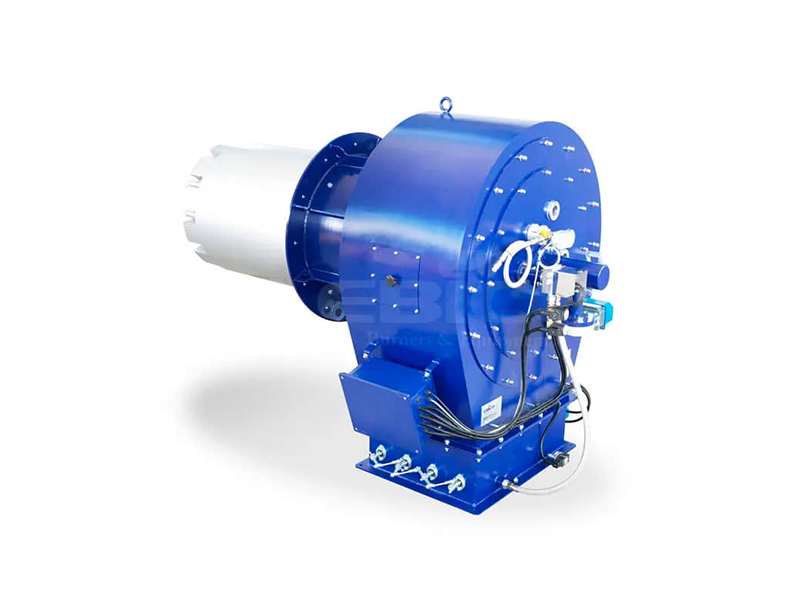
Evaluating a completely new Boiler Burner involves much more than simply checking a regulatory compliance box. You must thoroughly assess how the new equipment performs under actual day-to-day facility conditions. Three core evaluation dimensions dictate the long-term success of your retrofit project.
First, analyze the turndown ratio and load agility rigorously. Industrial steam demands fluctuate constantly based on production schedules and ambient weather. You need equipment capable of maintaining ultra-low emissions across widely varying heat load profiles. A high turndown ratio allows the unit to run efficiently at low capacities without cycling off completely. Frequent on-off cycling wastes tremendous amounts of fuel, purges valuable heat up the stack, and accelerates mechanical wear. Ask vendors specifically how their equipment handles prolonged low-fire states. Some inferior units easily hit 9 ppm at high fire but fail compliance testing completely during low-load operation.
Second, prioritize modern control systems integration. Advanced controls are strictly non-negotiable for maintaining sub-9 ppm stability. You must implement parallel positioning systems. These modern systems use dedicated, highly precise servomotors for individual fuel valves and air dampers. They provide infinitely more precision than outdated, mechanical single-point linkage systems, which suffer from inherent hysteresis and slop. Additionally, O2 trim controls continuously monitor stack oxygen levels in real-time. The system automatically adjusts the air-to-fuel ratio to account for ambient temperature and humidity changes. Without active O2 trim, your unit will drift out of compliance whenever barometric pressure shifts significantly.
Third, assess retrofit compatibility with extreme scrutiny. Older industrial furnaces have unique physical constraints. You must evaluate the following critical factors before finalizing any purchase:
Flame Geometry and Clearances: New combustion heads create entirely different flame shapes. A wider or longer flame might physically impinge on existing boiler tubes. Direct flame impingement causes rapid localized metal fatigue, dangerous blistering, and premature catastrophic tube failure.
Physical Footprint Constraints: Does your existing boiler room actually have the physical space for larger FGR ductwork and upgraded blower motors? Measure overhead clearances carefully.
Furnace Pressure Drops: Adding FGR alters the internal pressure dynamics inside the furnace. Your existing boiler shell and breeching must handle these new backpressures safely without leaking flue gases into the facility.
Industrial buyers often worry intensely about thermal efficiency losses when upgrading. The dreaded efficiency penalty is a very common industry concern. Recirculating inert gas does reduce the radiant heat transfer slightly inside the furnace. Furthermore, running significantly larger combustion blowers increases your parasitic electrical load. These two factors seemingly point to lower overall system efficiency and higher operating costs.
However, you must separate outdated myths from modern operational reality. Advanced control systems easily offset these parasitic losses. Upgrading to parallel positioning and O2 trim completely eliminates mechanical linkage hysteresis. Your precise fuel-to-air ratio remains perfectly optimized at all times, drastically reducing wasted fuel. Furthermore, integrating Variable Frequency Drives (VFDs) on the blower motors saves massive amounts of electricity during low-load periods. These comprehensive control upgrades often generate enough daily fuel savings to completely neutralize any FGR electrical penalty.
Facility managers must prepare transparently for installation disruptions. Retrofitting advanced combustion hardware is never a simple, overnight swap. Expect significant operational downtime. Electrical panels usually require complete structural upgrades to handle the new precision servomotors and larger VFDs safely. The gas train often requires extensive modifications to meet updated NFPA safety codes and insurance mandates. Plan your production schedules carefully around an extended outage window. Rushing the mechanical installation guarantees future unreliability and unsafe operating conditions.
Procuring the hardware is only the very beginning of the journey. Compliance validation requires rigorous third-party source testing. Passing EPA or local emission testing demands proper initial commissioning by certified technicians. Technicians must tune the unit precisely across the entire firing range using specialized exhaust analyzers. You cannot simply bolt the unit on, flip the switch, and assume compliance. The initial source test legally validates your operating permits. Make sure your vendor contract includes comprehensive post-installation testing support to guarantee passing results.
Upgrading heavy environmental equipment requires significant capital expenditure. Smart facility managers focus intensely on balancing strict emissions compliance with tangible operational efficiency gains. You can maximize your overall return on investment by actively leveraging available financial programs and strictly mitigating catastrophic operational risks.
Focus heavily on capturing available incentives and utility rebates. Many utility companies offer substantial financial rebates for upgrading to high-efficiency, digitally controlled equipment. Local and federal government programs frequently subsidize green transition and decarbonization projects. Installing advanced O2 trim controls, precision servomotors, and variable frequency drives often qualifies your specific project for lucrative energy efficiency grants. These utility rebates significantly lower your initial capital burden. Research your local air quality district programs thoroughly. They often provide grant funding specifically earmarked to encourage sub-9 ppm retrofit projects. Securing these funds changes the financial math entirely, making the upgrade highly advantageous.
Aggressive risk mitigation forms the second critical pillar of a strong ROI. Investing in a high-quality, properly specified unit prevents incredibly costly operational disasters. Regulatory non-compliance results in severe financial penalties. Local environmental agencies issue massive daily fines for continuous emission violations. Furthermore, a poorly matched, cheap unit causes massive unplanned downtime. If the new flame geometry damages existing boiler tubes, your entire facility halts production for weeks to perform emergency welding repairs. Choosing a premium system backed by robust engineering support mitigates these severe business risks. Spending more upfront on precision controls and thorough engineering assessments guarantees you avoid future regulatory fines and catastrophic mechanical failures.
Selecting the right vendor requires a disciplined, highly analytical approach. Use a strict decision matrix to shortlist potential manufacturing partners. First, demand deep engineering support upfront. Your vendor must offer comprehensive flow modeling and flame geometry analysis tailored to your specific furnace. Second, ask for documented proof of compliance in similar applications. Request detailed case studies showing successful sub-9 ppm operation on older furnaces exactly like yours. Third, ensure robust post-sale tuning availability. Your high-tech equipment will need routine seasonal adjustments. A vendor without a strong, highly responsive local service network is practically useless.
Advise your procurement and engineering teams on the critical next steps. Do not issue a Request for Proposal (RFP) prematurely based on guesses. Initiate a comprehensive site energy and emissions audit first. Document your precise load profiles, existing furnace physical dimensions, and exact local permit requirements clearly. Gathering this factual baseline data ensures competing vendors quote the exact right technology rather than an oversized, expensive guess.
Take decisive action today to secure your facility's operational future. Prompt your team to request a technical consultation or a site-specific retrofit assessment from a qualified combustion engineer. Early, detailed planning guarantees a seamless, highly successful transition to ultra-low emissions.
A: Yes, you can retrofit older units, but it requires careful engineering. Older furnace geometries and pressure limits strictly dictate the feasible technology. Flame impingement on existing tubes is a major physical risk. An engineering assessment must confirm the existing furnace dimensions can safely accommodate the new flame shape without causing rapid thermal damage.
A: It can, but efficiency loss is not inevitable. Flue Gas Recirculation (FGR) systems often introduce a slight efficiency drop due to increased fan electrical loads. However, modernizing your system with advanced O2 trim controls and VFDs often yields overall fuel efficiency gains that completely offset the FGR electrical penalty.
A: You should tune the equipment regularly to maintain strict compliance. Most facilities require quarterly or bi-annual tuning. Seasonal air density changes significantly impact the delicate fuel-to-air ratio. Routine mechanical wear also shifts performance baselines. Regular tuning prevents drift, ensures highly stable combustion, and guarantees you pass ongoing emissions tests.
