

Views: 0 Author: Site Editor Publish Time: 2026-01-12 Origin: Site
Choosing the wrong burner can quietly drain fuel, reduce output, and risk emissions fines. Many asphalt plants lose efficiency before problems become obvious. The right burner directly affects production efficiency, fuel cost, asphalt quality, and emissions. That makes burner selection a critical decision, not a minor equipment choice. In this guide, you’ll learn how to choose a burner for an asphalt mixing plant.
Table of content
What Is an Asphalt Mixing Plant Burner?
Types of Burners for Asphalt Mixing Plants
Key Factors to Consider When Choosing a Burner for an Asphalt Mixing Plant
Performance Characteristics of a Good Asphalt Plant Burner
Asphalt Plant Burner Performance Indicators Explained
How to Choose the Right Burner Based on Your Project Needs
Common Burner Selection Mistakes to Avoid
Frequently Asked Questions About Asphalt Mixing Plant Burners
Conclusion
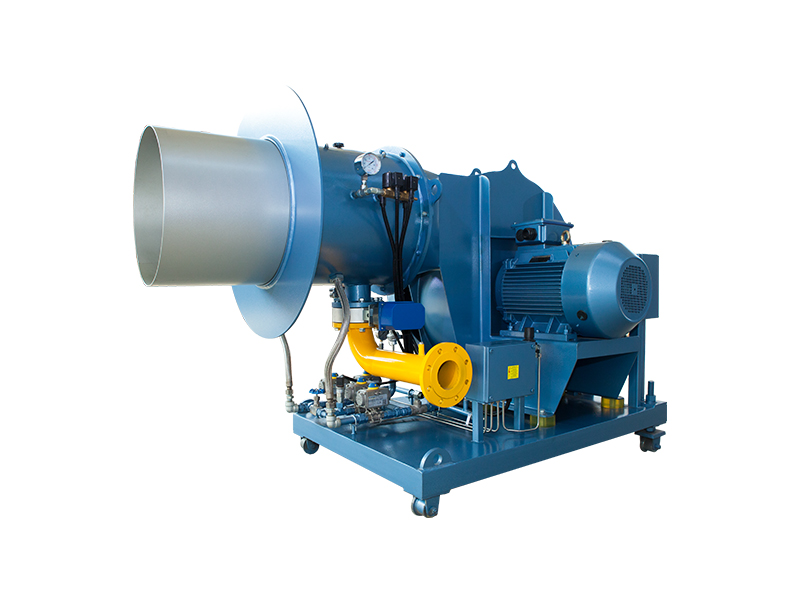
An asphalt mixing plant burner is a combustion device that generates controlled heat for drying aggregates and heating materials. It burns fuel and transfers thermal energy directly into the mixing system, operating continuously under high temperatures, heavy loads, and strict safety requirements.
In the asphalt mixing process, the burner supplies the heat needed to raise aggregates into the correct mixing temperature range, while stable combustion ensures effective moisture removal. When heat output fluctuates, asphalt quality becomes inconsistent and difficult to control. The burner adjusts its output in real time, responding to changes in material moisture, feed rate, and production demand.
Because it drives the entire thermal system, the burner is often called the “heart” of an asphalt mixing plant. If it stops, production stops. Poor combustion wastes fuel and increases emissions and operating costs, while a stable burner keeps the plant running smoothly and protects downstream equipment.
Pulverized coal burners use finely ground coal. They inject coal powder and air into the combustion zone. Strong mixing creates steady, high-temperature heat.
Advantages
Low fuel cost in coal-rich regions
High heat output for large-capacity plants
Stable operation under continuous loads
Limitations
Frequent maintenance from ash buildup
Higher emissions compared to gas
Extra systems for ash collection and handling
Best use cases
Regions with stable coal supply
Large plants focused on fuel cost control
Projects less restricted by emission limits
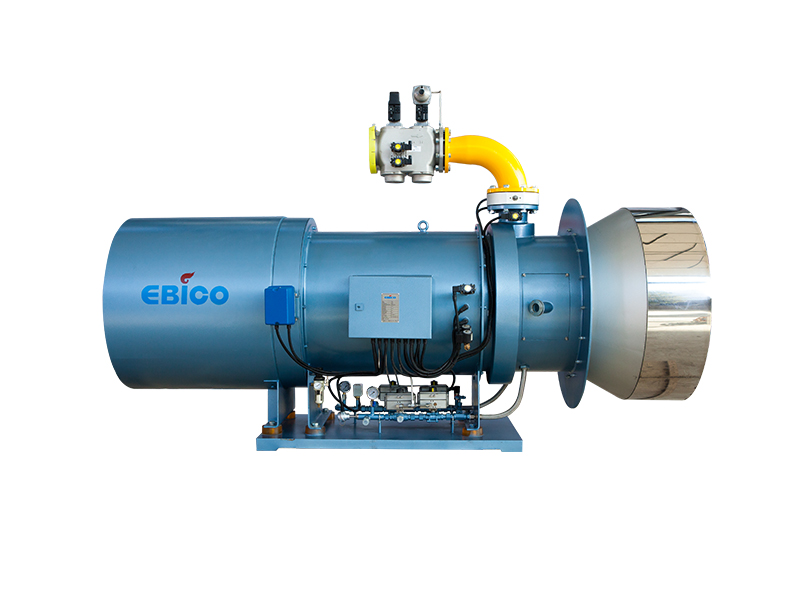
Oil burners spray liquid fuel into the burner chamber. Atomization breaks fuel into fine droplets for combustion. Diesel flows easily and ignites fast. Heavy oil needs heating but delivers strong heat.
Advantages
Simple operation and control
Fast startup and shutdown
Stable heat for varying production rates
Limitations
Fuel prices change often
Injectors and filters need regular cleaning
Heavy oil increases maintenance workload
Typical applications
Small to medium asphalt mixing plants
Temporary job sites
Areas lacking gas infrastructure
Natural gas burners mix gas and air precisely. They burn cleanly and efficiently. It delivers uniform flame temperature. Control systems adjust output quickly.
Advantages
High thermal efficiency
Very low emissions
Clean combustion and less internal wear
Environmental benefits
Easier compliance with emission regulations
Lower NOx and particulate output
Limitations
Gas supply not always available
Requires pipeline or LNG systems
Best choice when
Emission rules are strict
Long-term operating cost matters
Stable gas supply exists
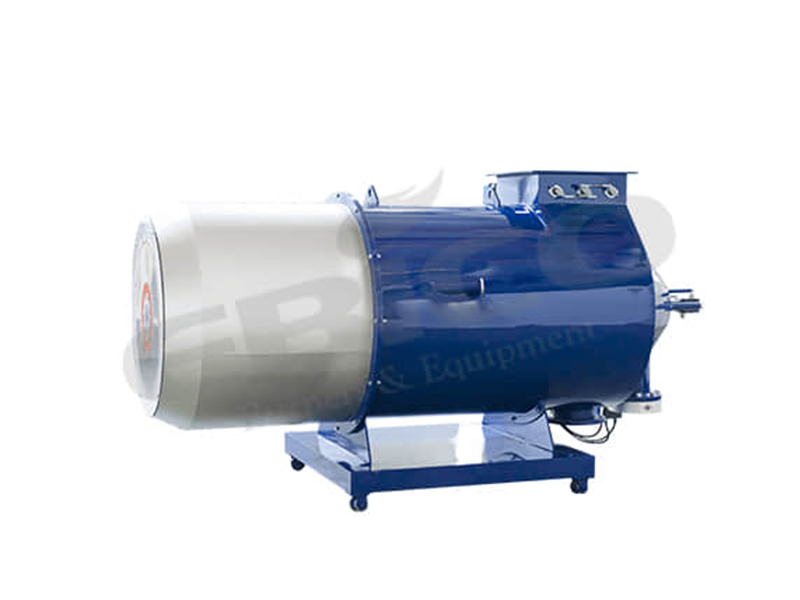
Dual-fuel burners run on oil or gas. They switch fuels through a control system. Operators change fuels during operation. It keeps production running during supply issues.
Advantages
High flexibility in fuel choice
Better energy security
Cost optimization over time
Ideal scenarios
Areas with unstable gas supply
Plants facing fuel price swings
Projects needing uninterrupted production
| Burner Type | Fuel Cost | Emissions | Maintenance | Flexibility |
|---|---|---|---|---|
| Coal Burner | Low | High | High | Low |
| Oil Burner | Medium–High | Medium | Medium | Medium |
| Natural Gas Burner | Medium | Low | Low | Low |
| Dual-Fuel Burner | Variable | Low–Medium | Medium | High |
Fuel choice starts locally. What’s reliable today may fail tomorrow. Check regional fuel supply stability first. They should deliver consistently during peak production seasons. Transportation matters more than expected. Long distances increase cost, risk delays, and complicate storage. Storage adds hidden costs. Oil needs tanks. Coal needs space. Gas needs pipelines. Short-term fuel prices can mislead decisions. Long-term trends usually decide real operating cost.
Burner capacity must match plant output. TPH defines required heat input. Oversizing feels safe. It often reduces combustion efficiency. Low-load operation weakens air-fuel mixing. They burn inefficiently and raise emissions.
Common sizing mistakes include:
Selecting for maximum theoretical output
Ignoring average production rates
Forgetting material moisture variations
A properly sized burner works closer to optimal range.
Emission rules shape burner choice. They differ by region and project type. Most asphalt plants face limits on:
NOx
CO
Particulate matter
Gas burners emit less by nature. Coal and oil need tighter control systems. Failing compliance risks fines or shutdowns. Burner selection influences approval speed and operating freedom.
Efficiency means useful heat, not flame size. Thermal efficiency depends on combustion quality. Air-fuel ratio control plays a major role. Poor balance wastes fuel quickly. Modern burners adjust airflow precisely. They respond fast to load changes. Initial price looks attractive. Lifecycle cost usually matters more. Fuel savings over years often exceed upfront differences.
Maintenance varies by fuel type. Coal burners need frequent ash handling. Oil burners face injector and filter wear. Fuel quality affects service intervals. Gas burners run cleaner. They reduce internal corrosion and buildup. Downtime costs production time. Spare parts access matters more than expected. Choose systems operators can maintain easily. Reliability keeps schedules predictable.
Accurate fuel distribution keeps heat output stable and predictable. It allows the burner to deliver exactly the energy required for aggregate drying. When fuel flow fluctuates, aggregate temperature shifts quickly. They often lead to uneven heating and unstable asphalt quality. A good burner meters fuel smoothly across the full load range. It responds gradually to production changes instead of overcorrecting.
Air distribution matters as much as fuel control. The air-fuel ratio decides how efficiently combustion happens. Too much air cools the flame and wastes energy. Too little air causes smoke, carbon buildup, and higher CO emissions. Modern asphalt plant burners maintain tight air control. Most systems target air distribution accuracy around ±1%.
Complete combustion converts fuel into usable heat. It improves efficiency and lowers emissions at the same time. Incomplete combustion shows clear warning signs. They include black smoke, fuel smell, and high CO readings. Poor combustion wastes fuel and stresses components. Maintenance frequency increases quickly under these conditions.
A good burner delivers steady heat over long runs. Flame stability protects both production flow and equipment. Unstable flames trigger safety shutdowns. They interrupt production and increase restart losses. Consistent heat output keeps aggregate temperature uniform. It supports stable asphalt mix quality throughout each batch.
Manual burners depend heavily on operator experience. Results vary between shifts and working conditions. Automatic burners adjust fuel and air continuously. They react faster than manual control ever could. PLC and intelligent systems integrate safety, ignition, and modulation.
They improve consistency, efficiency, and overall plant reliability.
| Control Type | Response Speed | Combustion Accuracy | Operator Dependence |
|---|---|---|---|
| Manual | Slow | Low | High |
| Automatic / PLC | Fast | High | Low |
Atomization decides how well liquid fuel burns. It matters most for oil and heavy oil burners.
Smaller droplets mix faster with air. They burn more completely and release heat evenly. Poor atomization creates large droplets. They fall out of the flame and waste fuel. Most asphalt plants aim for fine spray quality. Efficient systems keep particle size around 15 microns or smaller.
Asphalt production depends on stable temperature. Too hot damages material. Too cold ruins mixing. Burners must hold steady output. They adjust continuously during production. Material moisture changes often. Wet aggregates need more heat. Good burners respond quickly. They increase or reduce heat without sharp swings.
Fuel flow accuracy keeps combustion predictable. It prevents sudden heat spikes or drops. Unstable fuel supply disrupts drying. They cause uneven aggregate temperature. Accurate flow control supports mix consistency. It helps every batch meet the same quality target. Modern systems use precise valves and sensors. They smooth fuel delivery across all load levels.
Fuel calorific value can change. Heavy oil varies more than gas. Burners must handle these changes.
They adjust without losing efficiency. Stable heat output protects production rhythm. It reduces fuel waste during variable conditions. The best burners balance fuel and air dynamically. They stay efficient even during long operating hours.
| Indicator | Why It Matters | Impact on Production |
|---|---|---|
| Atomization size | Combustion quality | Fuel efficiency |
| Temperature control | Mix stability | Asphalt quality |
| Fuel flow accuracy | Heat consistency | Batch uniformity |
| Heat output stability | Energy balance | Operating cost |
Efficiency and emissions often go together. Cleaner combustion usually means better fuel use. Natural gas burners lead in this area. They burn cleanly and transfer heat efficiently. Plants in urban or regulated regions benefit most. Environmental approvals become easier.
Typical profiles include:
Large-capacity asphalt plants
Long-term fixed installations
Projects facing strict emission limits
Fuel price drives daily operating cost. Some regions offer cheaper energy options. Coal powder burners reduce fuel expense. They suit areas with stable coal supply. Heavy oil burners also lower fuel cost. They deliver strong heat at a lower price.
Trade-offs appear quickly:
Higher maintenance workload
More ash or residue handling
Greater emission control effort
Cost savings often balance added upkeep. It depends on local labor and regulation.
Fuel supply rarely stays stable. Prices shift. Supply interruptions happen. Dual-fuel burners solve this problem. They run on oil or gas. Operators switch fuels when needed. It keeps production running. Ideal situations include:
Regions with unstable gas supply
Plants exposed to fuel price swings
Projects requiring nonstop operation
Dual-fuel systems protect schedules. They give buyers more control over energy risk.
| Project Priority | Recommended Burner Type | Key Benefit |
|---|---|---|
| High efficiency | Natural gas burner | Low emissions |
| Lowest fuel cost | Coal or heavy oil burner | Reduced fuel spend |
| Maximum flexibility | Dual-fuel burner | Energy security |
Many buyers choose a larger burner than needed. It feels safer on paper. In real operation, oversized burners run at low load. Air and fuel mix poorly. Efficiency drops fast. Emissions rise. Fuel cost increases. They also become harder to tune. Stable temperature control gets difficult.
Fuel availability differs by region. Ignoring it creates long-term problems. Some fuels look cheap at first. Transport and storage raise hidden costs. Supply interruptions stop production. Emergency fuel switching adds risk. Always match burner type to local energy reality. They must work every day, not just on quotes.
Low upfront price attracts attention. It rarely tells the full story. Fuel efficiency affects cost every hour. Maintenance adds up quietly. Cheaper burners often need more service. Parts wear faster. Lifecycle cost matters more than purchase price. It defines real profitability.
Maintenance time equals lost production. Many teams overlook this. Coal and heavy oil increase cleaning work. They demand skilled operators. Unexpected shutdowns delay delivery schedules. Spare parts availability becomes critical. Reliable burners reduce downtime risk. They protect production planning.
| Common Mistake | Hidden Impact |
|---|---|
| Oversizing | Low efficiency, higher emissions |
| Wrong fuel choice | Supply risk, rising costs |
| Lowest price focus | Higher lifecycle expense |
| Ignoring maintenance | Downtime and lost output |
A: The best burner depends on fuel availability, emission limits, plant size, and long-term operating cost.
A: No. Different plants need different burners based on fuel supply, capacity, regulations, and operating conditions.
A: Maintenance frequency varies by fuel. Gas burners need less service. Coal and oil require more frequent cleaning.
A: Yes, when fuel supply is unstable or prices fluctuate. It improves flexibility and production security.
A: Burner stability controls temperature consistency, moisture removal, and mixing quality. Poor choice leads to uneven asphalt.
Choosing the right burner for an asphalt mixing plant is a strategic decision. It affects fuel cost, production efficiency, asphalt quality, emissions, and long-term reliability. Plant owners and decision-makers should evaluate fuel availability, plant capacity, emission rules, operating efficiency, and maintenance demands together, not in isolation.

As a dedicated asphalt mixing plant burner manufacturer, EBICO focuses on high-performance, reliable combustion solutions for road construction applications. Our product range covers natural gas burners, oil burners, heavy oil burners, and oil & gas dual-fuel burners, designed specifically for asphalt drum dryers and batch plants.
Need help choosing the right burner for your asphalt mixing plant? Contact EBICO engineers for burner sizing, fuel matching, and emission-ready configuration.
