

Views: 0 Author: Site Editor Publish Time: 2026-07-29 Origin: Site
Upgrading or specifying a combustion system represents a high-stakes capital expenditure. Facility managers and engineers face mounting dual pressures today. They must ensure stricter environmental compliance while battling volatile energy operational costs. Balancing these demands requires careful planning and deep technical foresight.
Relying on off-the-shelf sizing often creates severe operational headaches. This generic approach leads directly to short-cycling, wasted fuel, and premature equipment wear. Furthermore, ignoring emerging local emissions standards invites heavy regulatory fines. You cannot afford to treat this critical infrastructure as a simple commodity.
This guide provides a robust technical evaluation framework for selecting your equipment. We will help you balance exact capacity matching, regulatory compliance, and future fuel flexibility. You will learn how to evaluate low emissions technology and protect your long-term asset viability.
Capacity is dynamic, not static: Optimal burner selection requires analyzing load profiles and prioritizing high turndown ratios over absolute peak capacity.
Compliance dictates design: Low and Ultra-Low NOx gas burners are no longer optional in many jurisdictions; selection requires understanding the trade-offs between FGR (Flue Gas Recirculation) and surface-stabilized combustion.
Future-proofing is essential: With utilities integrating Renewable Natural Gas (RNG) and Hydrogen blending, modern boiler burners must offer multi-fuel flexibility to ensure long-term asset viability.

Engineers often add excessive safety margins during the design phase. This common practice creates an oversizing trap. Oversized equipment fires up quickly, satisfies the immediate load, and then shuts down. We call this phenomenon short-cycling. Frequent cycling forces the system through continuous pre-purge and post-purge sequences. Each purge sequence blasts heated air straight up the exhaust stack. You lose valuable thermal efficiency every single time this happens.
Conversely, undersizing your equipment introduces massive operational risks. Failing to meet peak demand causes sudden pressure drops across your steam or hot water network. These pressure drops trigger severe process interruptions. Production lines might halt during extreme winter weather or sudden manufacturing spikes. Facility operators cannot afford unexpected downtime when demand peaks.
The financial impact of unmatched equipment extends far beyond daily fuel bills. Constant cycling accelerates thermal shock. This stress rapidly degrades refractory materials and internal tubes. Over time, these damages shift your initial capital savings into continuous maintenance liabilities. A poorly matched gas burner for boiler forces your maintenance team into a reactive posture. Replacing cracked refractory bricks or failed tubes costs thousands of dollars in labor and lost production.
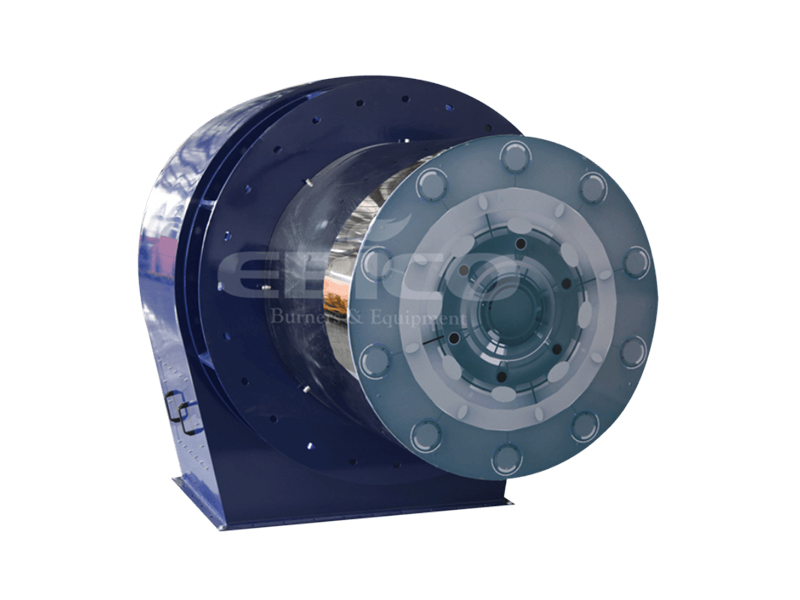
Selecting the right size requires auditing your historical steam or hot water demand. You cannot simply read the boiler's nameplate rating and buy a matching unit. Nameplates show absolute maximum theoretical capacity. Your actual daily operations rarely require this maximum output. We highly recommend analyzing data from flow meters and building management systems over a full year. This data reveals your true load profile, highlighting seasonal variations and shift-based demand spikes.
Once you understand your load profile, you must evaluate the turndown ratio. Turndown ratio defines the maximum operating capacity divided by the minimum operating capacity. A high turndown ratio, such as 10:1, allows the unit to run continuously at just 10% of its maximum output. High turndown capability is a critical evaluation metric for any modern system.
When assessing capacity and sizing, use these specific evaluation criteria to guide your decision:
Combustion Stability: The unit must maintain stable flames at incredibly low loads without sacrificing overall efficiency or increasing oxygen levels unnecessarily.
Heat Loss Reduction: It must minimize pre-purge and post-purge heat losses by staying online during low-demand periods rather than shutting off.
Component Lifespan: A wider operating range directly reduces mechanical cycling, thereby extending the overall lifespan of the Boiler Burner components.
Regional environmental authorities continuously push for stricter air quality baselines. California leads this shift through rigorous mandates. Districts overseeing utilities like SoCalGas now enforce sub-9 ppm NOx limits, down from the historical sub-30 ppm standards. These regulations dictate your design choices. You must select equipment engineered specifically to suppress thermal nitrogen oxide formation during combustion.
Manufacturers utilize two primary technologies to achieve these strict emissions targets. The first relies on traditional Flue Gas Recirculation (FGR). FGR routes a portion of the exhaust gas back into the combustion zone. This process lowers the peak flame temperature. Lower temperatures mean fewer NOx molecules form. However, FGR requires larger blower motors to handle the extra gas volume. These larger motors consume significantly more electricity.
The second technology involves Ultra-Low NOx premix or surface combustion. This method mixes fuel and air completely before ignition. It occurs over a specialized metallic or ceramic matrix. Premix designs achieve compliance without requiring massive FGR volumes. They reduce the overall equipment footprint and lower electrical consumption. However, surface combustion requires strict air filtration to prevent matrix clogging.
Technology Type | NOx Reduction Method | Electrical Penalty | Maintenance Considerations |
|---|---|---|---|
Standard Low NOx | Flue Gas Recirculation (FGR) | High (Requires larger blower fans) | Standard mechanical maintenance, FGR duct inspections. |
Ultra-Low NOx | Premix / Surface Combustion | Low (Minimal or no FGR required) | Requires strict air filtration to protect the burner head. |
Pushing for ultra-low emissions introduces a noticeable efficiency versus emissions trade-off. Extreme NOx reduction techniques sometimes challenge combustion stability. The flame becomes highly sensitive to changes in ambient air temperature and humidity. Therefore, you must pair ultra-low emissions equipment with sophisticated control systems. These controls constantly adjust fuel and air ratios to prevent flameouts while maintaining strict compliance.
The macro utility sector is rapidly shifting toward lower-carbon futures. This decarbonization roadmap aligns perfectly with broader global sustainability goals. Utilities are injecting new, renewable fuels into the existing natural gas pipeline grid. Your facility must prepare for these changing fuel dynamics today. Multi-fuel flexibility prevents your expensive combustion asset from becoming obsolete in the next decade.
Renewable Natural Gas (RNG) represents a major step in this transition. Facilities capture biogas from landfills, agricultural digesters, and wastewater treatment plants. They upgrade this biogas to pipeline quality, creating RNG. Standard units can burn biomethane, but you must account for slight variations. RNG sometimes features a different Wobbe Index and heating value compared to fossil gas. Your control valves must quickly adapt to these subtle fuel chemistry changes.
Hydrogen blending presents even greater technical challenges. Utilities plan to blend hydrogen up to 20% into natural gas lines. Some industrial clusters aim for 100% pure hydrogen networks. Evaluating hydrogen-ready equipment requires understanding fundamental physics. Hydrogen burns much hotter than natural gas. It also features a significantly higher flame speed. This high flame speed increases the risk of flashback into the mixing chamber.
Furthermore, hydrogen combustion inherently raises NOx levels. The hotter flame temperature accelerates thermal NOx formation. Achieving emissions compliance on hydrogen blends requires specialized head designs. Manufacturers use advanced geometry and staging techniques to stretch the flame. This stretching cools the reaction zone, keeping emissions within legal limits despite the hotter fuel.
Not every advanced piece of combustion equipment fits perfectly into every furnace tube. Assessing boiler geometry remains your first crucial step during implementation. Older vessels feature varied furnace dimensions. You must match the new flame shape exactly to the existing geometry. If the flame touches the water-cooled walls, it causes flame impingement. Impingement creates localized overheating, produces heavy soot, and eventually leads to catastrophic tube failure.
Upgrading the mechanical hardware represents only half the battle. You must execute parallel control system upgrades. Modernizing your Burner Management System (BMS) unlocks actual operational savings. Outdated mechanical linkages wear down and create hysteresis. Upgrading to linkless controls utilizes independent servomotors for fuel and air valves. Adding continuous O2 trim ensures the system adapts automatically to atmospheric changes, maximizing fuel economy year-round.
To ensure a smooth and safe rollout, follow these essential risk mitigation steps:
Verify Gas Train Sizing: Ensure the existing gas regulators and safety shut-off valves can handle the new flow requirements and pressure drops.
Ensure Adequate Combustion Air: Check the mechanical room louvers and ventilation to guarantee the new blower receives enough fresh air at peak load.
Budget for Commissioning: Allocate adequate funds for localized tuning. An expert technician must adjust the combustion curve across all firing rates using a calibrated exhaust analyzer.
Establishing clear success criteria simplifies your procurement journey. We recommend creating a weighted matrix chart for your buyers. This strategic approach removes emotional bias and focuses strictly on operational data. You must balance upfront capital expenditure against long-term operational efficiency and compliance margins.
Strategic Procurement Evaluation Matrix | ||
Evaluation Criteria | Weighting (%) | Key Focus Areas |
|---|---|---|
Initial Capital Cost | 20% | Hardware cost, installation labor, necessary BMS upgrades. |
Lifecycle Fuel Savings | 40% | Turndown capabilities, O2 trim integration, electrical efficiency. |
Compliance Margin | 30% | Guaranteed NOx limits, local regulatory buffer, testing documentation. |
Vendor Support | 10% | Local technician availability, spare parts inventory, warranty terms. |
Vendor vetting requires careful scrutiny. Do not rely solely on glossy brochures. Ask manufacturers about their local support network. A system shutdown at midnight requires immediate technician availability. Request verifiable testing data matching your specific application. Demand transparent warranty terms, particularly concerning refractory materials and highly stressed combustion heads.
Your most actionable next step involves data gathering. Initiate a comprehensive boiler room energy audit today. Conduct a baseline emissions test on your existing equipment. These steps define your exact starting point. You can then issue a highly detailed Request for Proposal (RFP). A well-crafted RFP forces vendors to offer engineered solutions rather than generic catalog items.
Selecting the right combustion system represents a strategic intersection of mechanical engineering, regulatory foresight, and operational economics. You must look beyond simple nameplate matching. A rigorous evaluation of load profiles, emissions technology, and fuel flexibility ensures your facility remains competitive and compliant.
Avoid commoditizing this vital equipment. Accepting the cheapest initial bid often guarantees expensive long-term problems. Spending slightly more capital on a unit featuring a superior turndown ratio and future-ready fuel flexibility yields compounding operational cost reductions. These savings directly improve your bottom line over the equipment's lifespan.
We strongly encourage facility managers to stop guessing. Request a custom load profile analysis from your engineering team. Consult directly with specialized combustion engineers to verify furnace compatibility. Take proactive control of your energy infrastructure today to secure reliable, efficient, and compliant operations tomorrow.
A: The standard range typically falls between 4:1 and 10:1. Higher ratios, such as 10:1, prove ideal for facilities experiencing highly variable seasonal demands or sudden process loads. They allow the equipment to run smoothly at very low capacities without shutting off completely.
A: Yes, retrofitting remains technically feasible. You can achieve this by adding FGR systems or installing a premix combustion head. However, success depends heavily on your existing furnace geometry and internal volume. Always consult an engineer before attempting ultra-low emissions retrofits.
A: The vessel's internal heat exchanger dictates your absolute baseline efficiency. However, a modern combustion system vastly improves seasonal or operational efficiency. It optimizes O2 levels continuously and drastically reduces heat losses associated with constant on/off cycling.
A: Compatibility requires specific dual-fuel capabilities. Manufacturers must modify the gas train, regulators, and nozzle geometry. These modifications handle different specific gravities, varying Wobbe Indexes, and different BTU values safely. You cannot safely burn alternate gases without proper engineering adjustments.
