

Views: 0 Author: Site Editor Publish Time: 2026-08-13 Origin: Site
Upgrading or specifying a new industrial heating system is a high-stakes capital decision. It dictates emission compliance and process reliability for decades. Facility managers and mechanical engineers cannot rely solely on basic manufacturer spec sheets. Mismatched equipment creates severe operational headaches across the entire plant. They cause chronic short-cycling and trigger damaging acoustic resonance. They also waste expensive fuel and accelerate premature boiler vessel failure. We provide a rigorous, evidence-based framework to evaluate and select the correct equipment. This guide helps you map thermodynamic requirements accurately to your facility. You will learn to assess fuel flexibility and navigate modern combustion control systems. You will finally understand how to shortlist equipment based on verified field data. Armed with this knowledge, procurement teams can confidently mitigate integration risks. You will ensure long-term stability for your critical heating infrastructure.
System Matching is Critical: A hot water boiler burner must be physically and thermodynamically mapped to the specific furnace geometry and backpressure of the boiler.
TCO Overwrites CAPEX: High turndown ratios and linkageless controls increase upfront costs but routinely deliver ROI within 18–24 months through fuel savings.
Compliance Drives Strategy: Ultra-low NOx requirements are shifting industrial baseline standards, making fuel flexibility and advanced emission controls non-negotiable for future-proofing.
Retrofit Realities: Installation success depends heavily on assessing existing boiler control panel (BMS) compatibility and managing downtime risks.
Inefficient combustion directly impacts your bottom line. It escalates daily fuel consumption and increases routine maintenance overhead. Poorly matched equipment struggles to maintain stable flames during variable loads. This instability causes soot buildup and frequent, frustrating flame failures. Plant operators spend hours troubleshooting instead of optimizing production processes. Mechanical vibration from acoustic resonance can literally tear ductwork apart. You must eliminate these inefficiencies to protect facility profitability.
Regulatory pressures add another layer of complexity. Environmental agencies continually tighten local mandates for industrial emissions. Allowable NOx and carbon monoxide limits drop significantly every few years. Non-compliance carries severe financial penalties and potential forced shutdown orders. You cannot afford to install equipment incapable of meeting future targets. Proactive emission planning is a critical business survival strategy.
A successful equipment upgrade requires clearly defined baseline metrics. We recommend targeting a seasonal operating efficiency above 85 percent. Your new configuration must completely eliminate flame impingement on internal surfaces. It should also secure a 99.9 percent uptime rating during peak heating seasons. Establish these performance baselines early in your engineering process. They will guide your evaluation of different manufacturer proposals.
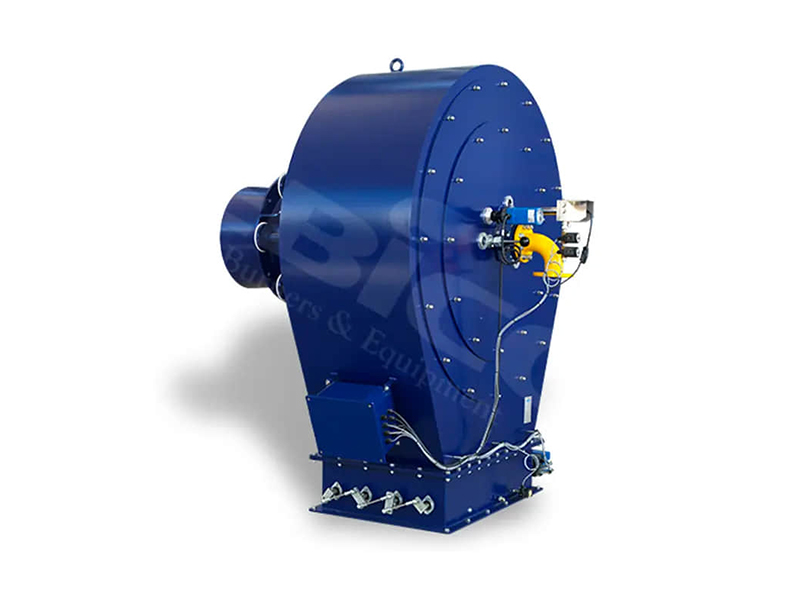
Capacity matching represents your first critical engineering step. You must calculate actual facility load profiles meticulously. Do not rely merely on theoretical maximums listed on building blueprints. Oversizing a hot water boiler burner leads directly to chronic short-cycling. Short-cycling induces extreme thermal stress on metal tubes. It also generates massive purge-cycle heat loss. Every time the system restarts, it blows valuable heat straight up the stack.
Evaluate your specific turndown ratio requirements next. Fluctuating industrial heating demands require highly flexible equipment. A 10:1 turndown ratio offers significant operational advantages. It allows the unit to idle efficiently during low demand periods. However, you must balance high turndown capabilities carefully against flame stability. The equipment must maintain distinct, stable flame geometries at absolute minimum loads. Unstable low-fire flames cause dangerous fuel accumulation in the combustion chamber.
Furnace geometry dictates required flame shape entirely. The flame pattern must precisely match the internal combustion chamber dimensions. If the flame touches the chamber walls, localized overheating occurs rapidly. This impingement quickly causes catastrophic pressure vessel failure. You must also evaluate system draft requirements thoroughly. Ensure strict compatibility between forced draft fans and induced draft designs.
Below is a quick reference chart for load matching parameters:
Load Parameter | Traditional Design | Modern Optimized Design | Operational Impact |
|---|---|---|---|
Turndown Ratio | 4:1 | 10:1 or higher | Reduces short-cycling and thermal fatigue. |
Capacity Sizing | Based on peak theoretical load | Based on empirical historical load data | Prevents purge-cycle heat loss. |
Flame Geometry | Standard fixed pattern | Customized to furnace dimensions | Eliminates tube impingement risks. |
Fuel sourcing strategies demand careful operational planning. Modern industrial facilities often require robust dual-fuel capabilities. Assess your specific need for natural gas, light oil, and heavy oil. Consider alternative blends like hydrogen-ready systems for long-term operational flexibility. Dual-fuel systems offer immense risk mitigation value. They protect your operations against sudden regional fuel supply chain disruptions. You can switch primary fuels seamlessly if natural gas spot prices spike.
Meeting strict emission standards remains a primary design driver. Evaluate Low-NOx and Ultra-Low NOx (ULN) technologies thoroughly before procurement. Common reduction methods include Flue Gas Recirculation (FGR) and surface combustion mesh. FGR mixes inert exhaust gases into the fresh combustion air stream. This physical process lowers the peak flame temperature significantly. Lower peak temperatures drastically reduce thermal NOx formation.
Aggressive FGR implementation involves specific mechanical trade-offs. FGR systems require much larger blower motors to handle the extra gas volume. These larger motors create a noticeable parasitic electrical load. Higher backpressure also stresses existing draft mechanisms. You must weigh this added electrical cost against your overarching emission compliance goals.
Control systems determine your overall combustion precision. Traditional single-point linkage setups have significant operational limitations. They suffer constantly from mechanical hysteresis and progressive linkage wear. This physical wear forces maintenance teams to constantly adjust the physical rods. Any mechanical slop destroys the precise fuel-to-air ratio.
Parallel positioning systems eliminate these frustrating mechanical headaches entirely. These linkageless controls use independent servo motors for fuel valves and air dampers. They ensure repeatable air-to-fuel ratios across the entire firing range. This digital precision improves seasonal operating efficiency dramatically.
Advanced combustion trim adds another vital layer of optimization. Continuous O2 trim sensors monitor exhaust gases in real time. Variable Frequency Drive (VFD) blowers adjust fan speeds accordingly. These integrated components compensate for ambient temperature and barometric pressure shifts automatically. They keep the combustion process perfectly tuned despite changing weather conditions.
Prioritize intelligent integration and security for your facility control architecture. Follow these critical assessment steps:
Verify native compatibility with existing SCADA or plant monitoring platforms.
Ensure the system communicates via standard industrial protocols like Modbus or BACnet.
Demand robust fail-safe mechanisms for automated shutdown sequences.
Confirm standardized flame safeguard controls are easily serviceable.
Ensure absolute compliance with regional safety codes like ASME CSD-1 or NFPA 85.
Replacing an industrial Boiler Burner requires rigorous on-site evaluation. Physical footprint and required clearances dictate retrofit feasibility. You must verify the structural weight capacities of the existing front plates. Ensure adequate spatial requirements for safe maintenance access. Modern gas trains often require significantly larger footprints than legacy piping setups.
Retrofit projects carry unique electrical and mechanical compatibility risks. Navigating the integration of modern digital management systems requires specialized expertise. Legacy panel wiring often lacks the necessary shielding for sensitive digital signals. Improper grounding can cause erratic control behavior and nuisance shutdowns.
You must also assess existing refractory materials carefully. Do this long before the physical installation process begins. Damaged or degraded refractory cannot withstand the varied heat fluxes of modern ULN flames. Replacing refractory adds significant time and cost to your project.
Structure your rollout process to mitigate production downtime effectively. Consider these primary mitigation strategies:
Schedule phased installations strictly during planned facility maintenance windows.
Execute thorough pre-commissioning checks off-line to verify sensor logic.
Prepare emergency bypass protocols for critical heating loops.
Ensure all replacement components are staged physically on site before shutdown.
Moving from theoretical evaluation to final selection requires strict vendor scrutiny. Do not accept laboratory ideal-state figures at face value. Demand verified field-test data recorded under similar industrial load conditions. Real-world performance often deviates significantly from perfectly controlled test-stand results. You need empirical evidence proving the equipment performs reliably in actual facilities.
Evaluate the manufacturer's local support network rigorously. Assess regional OEM support capabilities and standard technician dispatch times. Spare parts availability can literally make or break your seasonal uptime. Ask vendors about their guaranteed inventory levels for critical sensors and servo motors. Equipment is only as reliable as the service network supporting it.
Next-step actions transition you from evaluation to active procurement. Request a site-specific combustion audit from your shortlisted vendors. Require a comprehensive engineering design submittal before signing purchase orders. This submittal should map exact electrical, physical, and thermodynamic integration points. It forces the vendor to prove their solution fits your specific reality.
Selecting the optimal heating equipment balances thermodynamic compatibility and rigorous emissions planning. Ensure exact matching between your furnace geometry and the projected flame shape. Prioritize fuel flexibility to safeguard your facility against sudden supply chain shocks. Upgrade to digital linkageless controls to guarantee long-term combustion stability and optimal efficiency. Never assume standard spec sheets tell the whole operational story.
Take immediate action to secure your facility's reliability. Schedule a comprehensive boiler room audit today. Consult a qualified mechanical engineer to map specific facility load data accurately. Use this empirical data to challenge vendor assumptions before finalizing any procurement decisions. Your diligence will ensure maximum uptime and consistent regulatory compliance.
A: While a 4:1 ratio is traditional, a 10:1 or higher turndown is ideal for highly variable industrial loads. High turndown capability allows the system to idle during low demand. This flexibility minimizes damaging short-cycling and drastically reduces thermal fatigue on the pressure vessel.
A: Yes, but specific mechanical caveats apply. The existing vessel must have adequate internal furnace volume to prevent flame impingement. Additionally, the system's backpressure limits must accommodate the higher blower demands typically required by Flue Gas Recirculation (FGR) systems.
A: Linkageless controls use independent servo motors for gas valves and air dampers. This digital approach eliminates mechanical wear and hysteresis found in physical linkages. It maintains perfect combustion air-to-fuel ratios across all firing rates. This sustained precision typically saves three to five percent in annual fuel consumption.
A: The realistic benchmark for industrial units is 15 to 20 years. However, this lifespan depends heavily on operating conditions and maintenance frequency. Proactive maintenance of control sensors, servo motors, and gas train components is essential to maximize operational longevity and efficiency.
